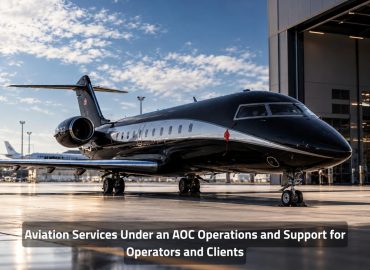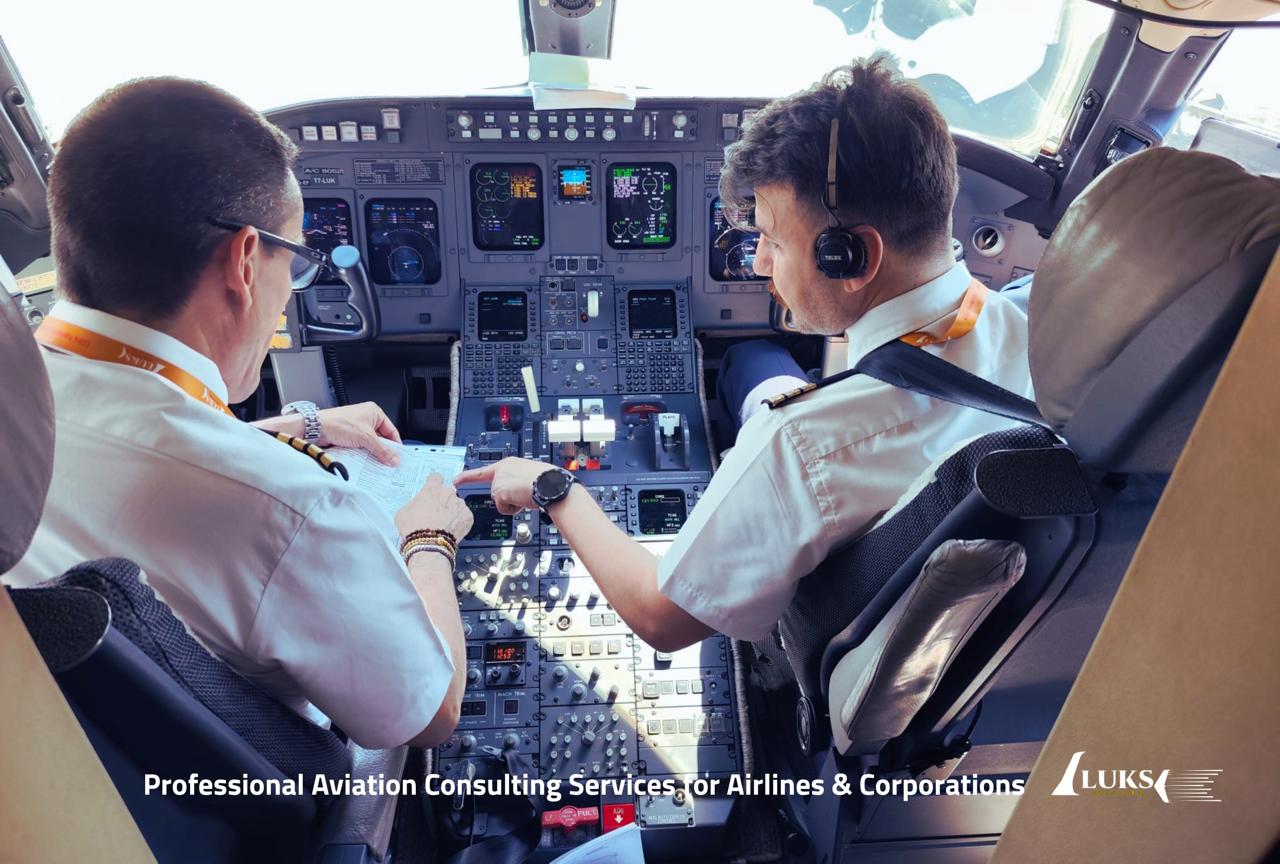
Professional Aviation Consulting Services for Airlines & Corporations
Professional Aviation Consulting Services :Commercial aviation is often considered one of the Professional Aviation Consulting Services, most complex, and highly regulated industries in the world. Running an airline or an airport has always been a high-stakes juggling act. Today, with Sustainable Aviation Fuel (SAF) mandates, a fluctuating geopolitical landscape, and varying operational costs, staying profitable means more than just filling seats.
You can no longer rely on ancient management models to make it through these economic storms. This is where the strategic importance of specialized aviation consulting services comes into play. Professional consultants offer data-driven strategies for airlines, institutional investors, airports, and civil aviation. authorities to help make high-impact decisions, avoid costly operational mistakes, and find sustainable ways to grow.
1. What Are Professional Aviation Consulting Services?
Professional Aviation Consulting Services offer specialized advice in the technical. financial, and operational aspects of aviation by independent professionals of the industry.
These are individuals who have acquired many years of hands-on experience in various sections of the aviation industry. from the airport apron to the boardroom and even regulatory offices.
The objective is to help aviation companies improve their performance while eliminating financial waste and remaining. fully compliant with the high and stringent international standards of organizations such as the International Civil Aviation Organization (ICAO). and the International Air Transport Association (IATA).
Aviation consulting isn’t just general business advice. It’s building out complex financial models, simulating crisis scenarios, optimizing flight networks, and leading negotiations for the purchase or lease of high-value aircraft.
2.Where Consultants Actually Spend Their Time: The Main Areas of Action
When an airline decides to bring in outside consultants, they are not seeking general business advice. They want individuals to roll up their sleeves and rectify very particular parts of the business. In reality, most of this work can be broken down into five primary areas:
Keeping the Planes Moving (Operational Efficiency)
A plane is only earning money when in the air; as soon as it lands, an expensive clock starts ticking. Consultants do plenty of gate turnaround minutiae analysis; they check on baggage handling.
how quickly the cabin gets cleaned, and how refueling is managed. Their help in adjusting crew schedules and streamlining maintenance. routines cuts annoying dispatch delays for airlines and gets planes back into the sky even more quickly.
Fixing the Pricing Ticket Strategy (Commercial & Revenue)
Seat selling is a very tricky game. You could price the tickets very high and have the plane fly empty or price it too low and leave money on the table. Advisors help the airlines set up an intelligent. dynamic pricing system that would instantly change the cost of the ticket depending on how many people are booking at that moment. They also explore other ways of making money, such as baggage fees, seat selection, and onboard food. while ensuring that the airline’s flights are on the correct global travel platforms.
Staying Out of Trouble (Safety & Compliance)
In aviation, the rules are not optional. One failed inspection can lead to massive fines or even get an airline grounded — literally. The consultants come in as a shield. They audit security protocols from top to bottom and write clear, easy-to-follow operational manuals for the staff. A big part of their work is to get an airline all set for those major international audits — like the IATA Operational Safety Audit (IOSA). Because the only way to pass those and then sign the lucrative partnerships with other major global airlines is by passing those audits.
Picking the Right Planes for the Right Routes (Fleet & Network Planning)
A carrier can not simply purchase any aircraft they like and cross their fingers. The purchase of a jet is a huge, multi-million-dollar gamble that will last for decades. Advisors conduct in-depth analyses of route profitability to assist the executives in making the right decision. They check the data to help make the decision if the carrier should buy smaller, fuel-economic planes for short hops between neighboring cities or invest in large wide-body jets for long-haul international flights. They also assist in negotiating the details of leasing contracts so that the carrier does not end up with enormous payments during slow seasons.
Modernizing the Software (Digital Transformation)
The days of managing an airline through old, clunky software are long gone. Today, companies bring in consultants to a great extent to aid in transitioning to modern digital tools. This involves the installation of AI-driven flight planning software to enable pilots to find the most fuel-efficient routes in mid-air and modern systems for tracking carbon emissions to assist in compliance with new and stringent environmental laws without having to spend an arm and a leg on software licensing fees.
3.Deep Dive into Specialized Aviation Solutions:Professional Aviation Consulting Services
Airline Restructuring and Financial Recovery When an airline faces financial distress—whether from poorly managed fixed costs, sudden fuel price spikes, or inefficient route planning—external consultants step in to steady the ship. Cost Optimization: Consultants run through vendor contracts in detail and also look at catering deals, ground handling fees, and fuel hedging strategies in an attempt to cut costs without affecting passenger safety or service quality.
Fleet & Network Planning:
Some people believe that revenue management systems are the ones that actually set fares. While in some cases this is true, the real process is far more complicated. Revenue management experts apply advanced pricing algorithms for making continuous adjustments to fare levels in response to real-time market conditions, actions by competitors, and historical booking trends, which in turn directly influence the overall Load Factor of the airline. Deciding whether to purchase or lease an aircraft is a decision of several million dollars that will impact the balance sheet of an airline for up to 20 years. The decision can make or break an operator. Aircraft Selection Studies: Consultants will evaluate the airline’s exact geographical requirements, considering narrow-body options (the Airbus A320neo or Boeing 737 MAX) in comparison with long-haul wide-body alternatives.
Leasing Advisory (Dry & Wet Lease):
Here, the advisors will assist the airlines in negotiating the best financial terms and then determine whether to enter a Dry Lease or a Wet Lease to quickly satisfy the peak season demand, which may include crew, maintenance, and insurance; in a Wet Lease — for example, for summer vacations or other major annual holidays. Oversights in safety can lead to disasters in this sector. Some consulting companies provide proactive auditing services to safeguard the reputation and legal position of an airline.
IATA IOSA Certification Readiness: A consulting firm assists an airline in understanding the tough IATA Operational Safety Audit program. This is the inspection a carrier needs to pass to gain entry into the major global alliances (such as Star Alliance or SkyTeam) or to be able to secure profitable codeshare agreements with international carriers.
Safety Management Systems (SMS): The modern safety culture includes the training of ground crews and pilots to report potential hazards in their operations as early as possible and to analyze minor incidents so that major accidents can be avoided in the future.
4.Typical Timeline of an Aviation Consulting Project
Professional Aviation Consulting Services In the event an airline or airport engages the consulting team, the project follows the steps below to ensure implementation of results: The consulting team integrates at the head office of the airline, maintenance hangars, and hub airports to obtain raw financial data, operational metrics, andcurrent performance benchmarks.
1.Comprehensive Diagnostics & Data Collection: Stage 1. The consulting team would embed at the airline’s head office, maintenance hangars, and hub airports for the acquisition of raw financial data, operational metrics, and current performance benchmarks. 2.Gap Analysis & Bottleneck Identification: Stage 2. Comparison of the real airline performance vis-à-vis global industry standards would be conducted to identify specific problem areas, such as loss-making routes, overstaffing, or maintenance turnaround time. 3.Strategic Roadmap Design: Stage 3. Consultants lay out a detailed, realistic plan for the future. This includes clear cost budgets, recommended new routes, fleet adjustments, and a breakdown of the new digital tools needed. 4.Implementation Oversight & Training: Stage 4. The advisors don’t just hand over a report and leave. They stay on-site to help make the changes actually happen, train the middle management team, and measure quarterly performance improvement.
5. Modern Industry Challenges and How Consultants Solve Them
The aviation industry is faced with monumental technological and environmental changes — and it needs experienced, innovative thinkers to keep up.
Emission Targets: In the push toward net-zero emissions, international bodies are pressuring airlines to blend sustainable aviation fuel into their operations. Consultants work with carriers to secure sustainable and reliable fuel supply chains and to offset the increased fuel costs in a way that does not drive passengers away.
The Global Talent Shortage: The industry is facing a severe shortage of qualified pilots, cabin crew, and licensed aircraft mechanics. Consulting teams help airlines redesign their salary packages, optimise crew rosters. and build internal training academies to keep flights running on schedule.
Cybersecurity in the Skies: The modern aircraft, booking engines, and baggage systems are all based on cloud networks, which leave them wide open as prime targets for cybercriminals. Aviation tech consultants are designing bulletproof security frameworks to cover not just critical flight systems but the entire aviation network . from disruptive data breaches of any kind.
Frequently Asked Questions (FAQ)
Who exactly hires aviation consulting firms? The companyΓÇÖs client base is wide and varied. It includes commercial legacy carriers, low-cost carriers (LCCs), air cargo operators, national civil aviation authorities, airport management companies, lessors, and sovereign wealth funds looking for investment opportunities in global transport infrastructure.
How do consultants help an airline fix flight delays?
On-Time Performance (OTP) is the core determinant of an airline’s image. Consultants break down the different stages of turnaround time for an aircraft on the ground — from the moment the wheels stop till the plane starts to push back. They just eliminate unnecessary minutes that would lead to a domino effect of delays throughout the day by streamlining baggage offloading, fueling, catering, and cleaning the cabin.
Can a consulting firm help start a brand-new airline from scratch?
Yes, that is a core service. Consultants will draft the full business plan, which is very comprehensive and will help in securing the required funding from banks and investors. They will also manage the complex application process for the Air Operator Certificate. help in the selection of the initial fleet, and set up all IT and booking infrastructure that is needed for a successful launch.
Conclusion: Professional Aviation Consulting Services
Professional Aviation Consulting Services:There is no room for guesswork in aviation markets or sloppy financial habits. A couple of ill-conceived routes or leasing deals and an operator could be pushed to the wall. Therefore, aviation consulting services are an insurance policy not optional for airlines and operators seeking stability over the long term. With deep human data analysis, network optimization plus very safety audits. companies in aviation can safely navigate economic turbulence and turn industry challenges into real opportunities for growth.
read more:
Private Aviation and Luxury Services: Your Complete Guide
The Future of Private Jets: Will We See Supersonic Speeds?
Chartering a Private Jet for Special Occasions: Tips and Guidelines
Aircraft Management Services for Business & Private Jets luks.aviation